
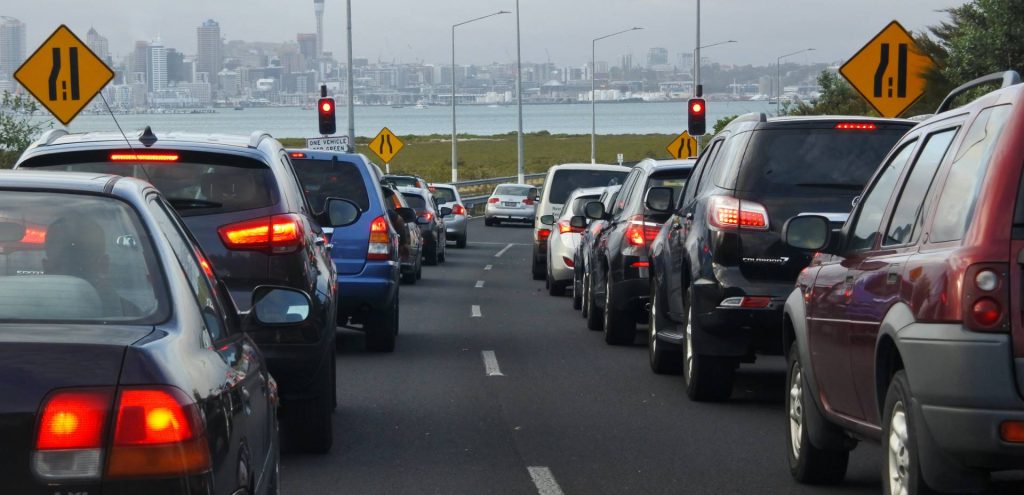
June brought some welcome relief for New Zealand motorists, with petrol and diesel prices falling during the month.
At the same time, annual inflation reached 4.1% in the June 2026 quarter, showing that wider cost pressures remain present across the economy.
Why lower fuel prices matter
Fuel is a regular and highly visible household expense. When petrol and diesel prices fall, many people notice the difference immediately in their weekly spending.
Lower transport costs can also help reduce inflation because fuel affects not only motorists, but usually the cost of moving goods and delivering services.
However, one month of lower prices does not necessarily establish a lasting trend.
Global oil prices remain uncertain
Recent overseas developments underline how quickly conditions can change. RNZ reported that global oil prices had climbed closer to US$100 a barrel amid geopolitical tensions and concerns about supply.
International oil prices are only one influence on what New Zealand motorists pay. The exchange rate, taxes, shipping costs, local competition, and fuel-company pricing can also affect prices at the pump.
This means higher global oil prices do not always flow through immediately or by the same amount. They can, however, create renewed pressure and add uncertainty to future fuel costs.
What this means for household budgets
For households, recent fuel-price movements are a reminder that some expenses can change quickly and may be difficult to predict.
Rather than relying on lower costs continuing, it can help to leave some flexibility in the budget. When an expense temporarily falls, the difference could be used to strengthen emergency savings, reduce debt, or prepare for future cost increases.
It may also be useful to review regular spending when living costs change. Small adjustments across several areas can make a budget more resilient without requiring major changes all at once.
Focus on what you can control
Fuel prices and inflation data will continue to move from month to month. Households cannot control those movements, but they can review their cash flow, keep savings goals realistic, and adjust plans when circumstances change.
Disclaimer: Please note that the content provided in this article is intended as an overview and as general information only. While care is taken to ensure accuracy and reliability, the information provided is subject to continuous change and may not reflect current developments or address your situation. Before making any decisions based on the information provided in this article, please use your discretion and seek independent guidance.